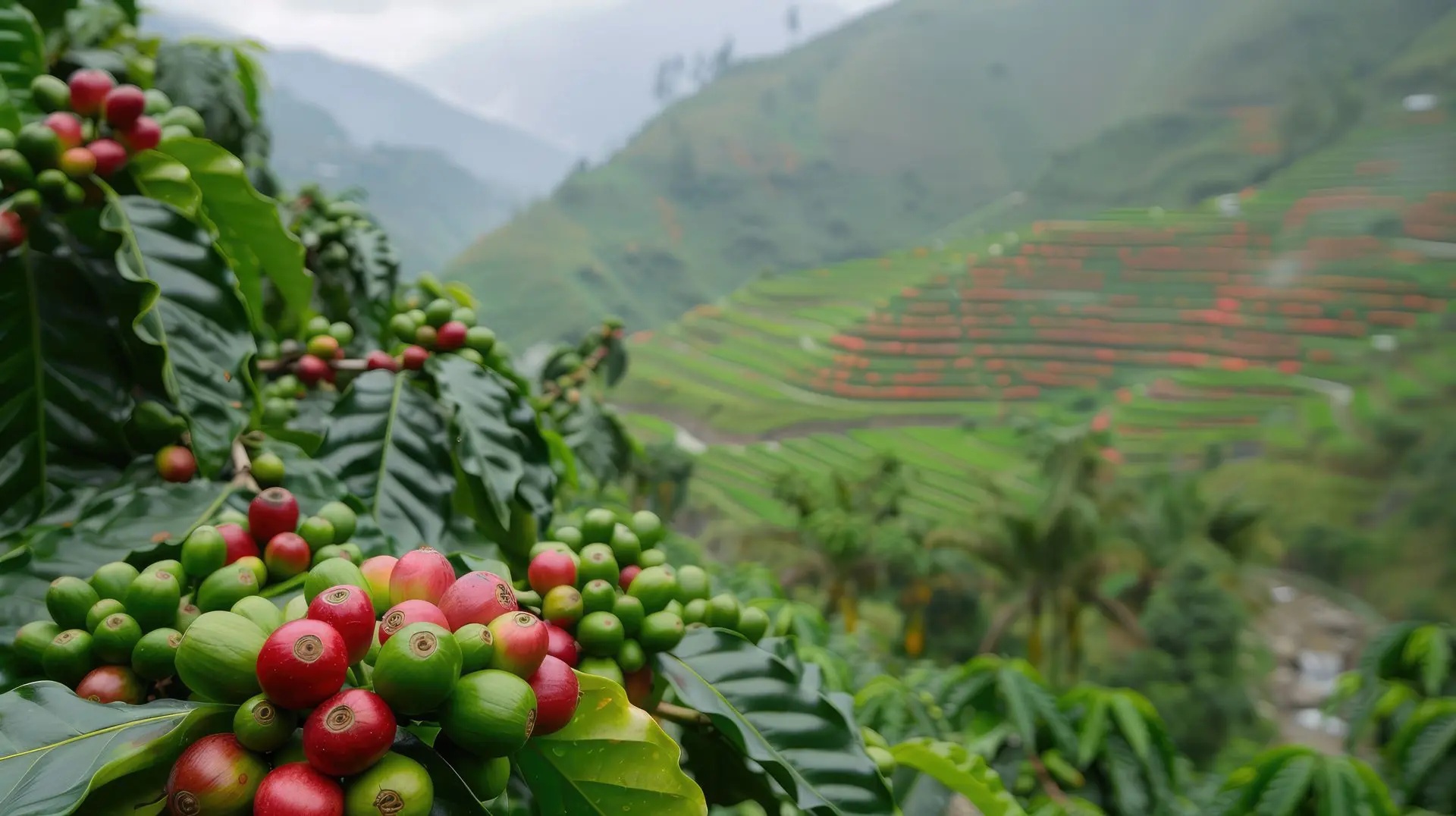
For decades, Sri Lanka has been internationally celebrated for its world-famous Ceylon Tea. However, a new agricultural renaissance is quietly taking shape across the island's highlands and fertile regions. Ceylon Coffee is making a remarkable comeback, presenting exciting opportunities for farmers, exporters, entrepreneurs, and coffee lovers worldwide.
Many people are surprised to learn that Sri Lanka was once one of the world's leading coffee producers. During the 19th century, coffee plantations covered large portions of the central highlands and became a major contributor to the country's economy. However, a devastating fungal disease known as Coffee Leaf Rust destroyed most plantations, leading farmers to switch to tea cultivation.
Today, more than 150 years later, Sri Lanka is witnessing a renewed interest in coffee farming, fueled by changing global consumer preferences and growing demand for specialty coffees.
1. Unique Growing Conditions
Sri Lanka's diverse climate, fertile soil, and varying elevations create ideal conditions for cultivating high-quality Arabica and Robusta coffee varieties. The country's mountainous regions provide distinctive flavor profiles that appeal to specialty coffee markets.
2. Rising Global Demand
The global coffee industry continues to expand, with consumers increasingly seeking ethically sourced, sustainable, and traceable products. Ceylon Coffee fits perfectly into this trend, offering a unique origin story and exceptional taste characteristics.
3. Sustainable Farming Opportunities
Coffee cultivation can be integrated into existing agroforestry systems, allowing farmers to diversify income while protecting biodiversity. Shade-grown coffee production contributes to environmental sustainability and reduces soil degradation.
4. Premium Market Potential
Rather than competing with large-scale coffee producers such as Brazil or Vietnam, Sri Lanka can position itself within the premium and specialty coffee segment, where quality and uniqueness command higher prices.
The future of Ceylon Coffee lies in the specialty market. Modern consumers are willing to pay premium prices for coffee with distinct flavor notes, sustainable production methods, and transparent sourcing practices.
Sri Lankan coffee producers are increasingly focusing on:
These factors help create a strong brand identity that can compete internationally.
Despite its enormous potential, several challenges remain:
Limited Production Scale
Current coffee production volumes remain relatively small compared to global competitors. Expanding cultivation while maintaining quality will be essential.
Farmer Education
Successful coffee production requires specialized knowledge regarding cultivation, processing, drying, and quality control. Continued training and investment are necessary.
Brand Awareness
While "Ceylon Tea" is a globally recognized brand, "Ceylon Coffee" is still emerging. Strategic marketing and international promotion will be crucial for building recognition.
Climate Change
Changing weather patterns may affect crop yields and quality. Sustainable farming practices and climate resilience strategies will be increasingly important.
Opportunities for Investors and Entrepreneurs
The growth of Ceylon Coffee creates exciting opportunities in several areas:
With global consumers seeking authentic and sustainable products, Sri Lanka is well-positioned to attract investment into its coffee sector.
Coffee tourism is rapidly growing worldwide. Sri Lanka can combine its stunning landscapes, rich history, and coffee heritage to create immersive experiences for travelers.
Potential attractions include:
This can provide additional income streams for farmers and local communities.
The future of Ceylon Coffee is promising. As consumer demand shifts toward high-quality, ethically sourced, and unique coffee experiences, Sri Lanka has a valuable opportunity to establish itself as a respected specialty coffee origin.
By investing in quality, sustainability, innovation, and branding, Ceylon Coffee can become more than just an agricultural product. It can evolve into a globally recognized symbol of Sri Lankan excellence, much like Ceylon Tea has for generations.
Conclusion
Ceylon Coffee represents a unique blend of history, quality, and potential. With growing international demand, favorable growing conditions, and increasing interest from farmers and entrepreneurs, Sri Lanka stands at the beginning of an exciting new chapter. The rebirth of Ceylon Coffee could become one of the country's next great success stories, bringing economic growth, sustainable development, and global recognition to the island nation.
Ceylon Coffee is not just returning. It is preparing to make its mark on the world stage
As Sri Lanka's digital economy continues to evolve, EasyLanka Marketplace has the potential to play a historic role in the growth of the local coffee industry. As one of the country's emerging online classified and marketplace platforms, EasyLanka provides coffee growers, roasters, distributors, café owners, and coffee equipment suppliers with a dedicated digital space to promote their products and connect directly with consumers.
Traditionally, many Sri Lankan coffee producers have relied on exhibitions, trade networks, and social media to reach customers. EasyLanka introduces an alternative marketplace where businesses can showcase:
This helps small and medium-sized enterprises gain visibility without requiring large advertising budgets.
As Ceylon Coffee rises again, EasyLanka aims to be the digital marketplace that helps tell its story, connect its people, and bring Sri Lankan coffee to a broader audience.